


This blog is for hospice RNs and LPNs who have direct contact with hospice patients and their caregivers. I’m getting way too many emails saying the hospice nurse came, took blood pressure, pulse, and then left — only for their special person to be dead the very next day. “No one told me.” “I thought we had more time.” “There were things I would have done differently.”
I have to ask: Where was the teaching? Where was the time spent reassuring and guiding these caregivers?
End of life work is not about blood pressures and taking vital signs. It is really not about just the medical aspects of the physical body. Care for the physical body is only one part of what end of life care is about. End of life care is reassurance, education, time spent listening, addressing fears, providing comfort, and teaching what approaching death looks like and what to do while it is happening.
Each visit needs to include — beyond checking vital signs — a conversation with the caregiver and family. That conversation should include these questions and topics:
- What are you concerned about?
- What are you thinking that I might help you with?
- What are you afraid of and how can I help?
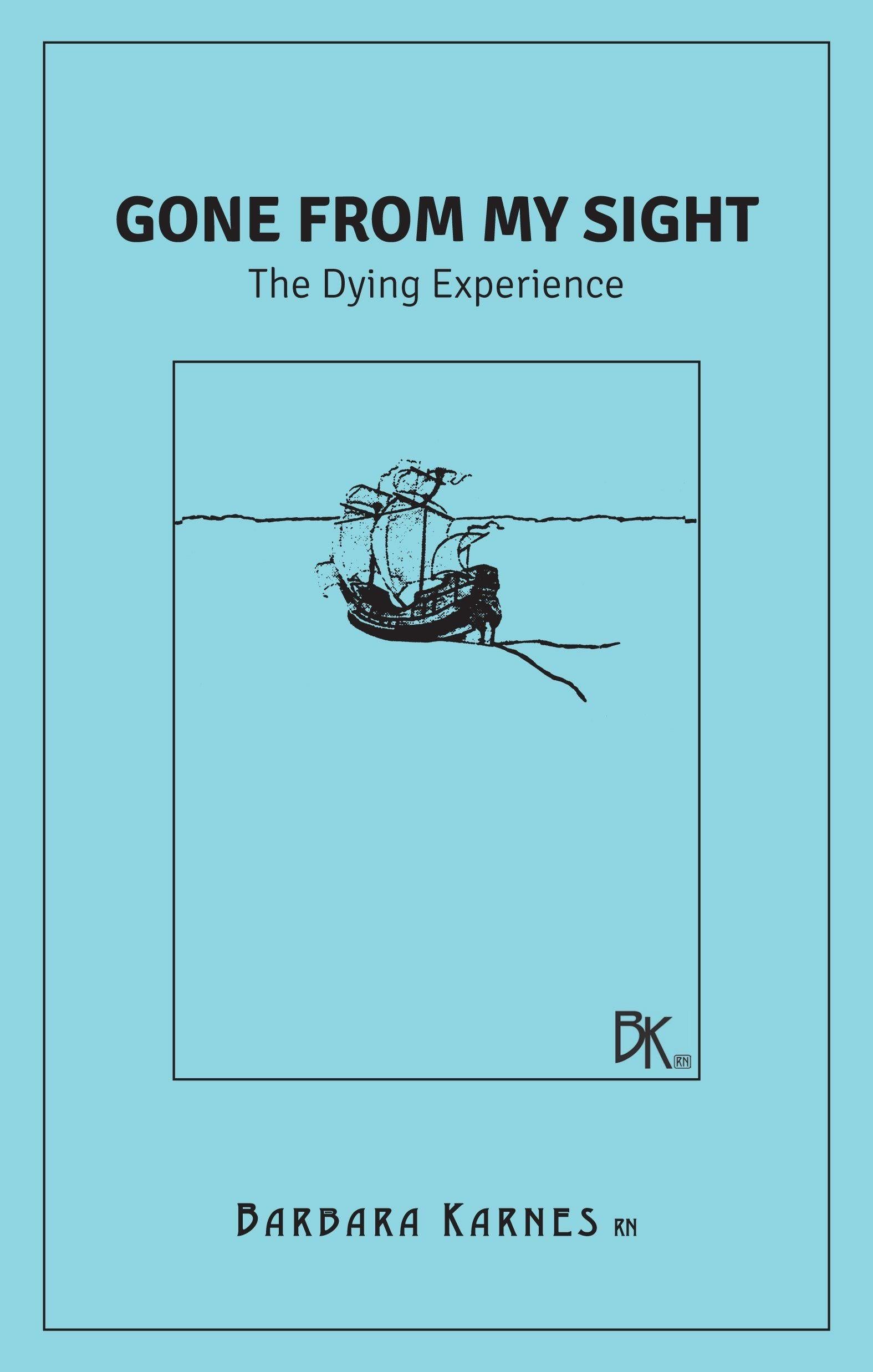
- Here is where I think we are in the dying process. (Use general terms. Don’t use specific numbers. Flip to the page that applies in the blue book.)
- How are you, the caregiver, taking care of yourself?
One way to help families feel supported by hospice is to ask these additional questions before leaving each visit. And I’m including social workers, chaplains, and CNAs in this visit closure as well:
- Did you understand everything we talked about?
- Do you have any questions you want to ask me?
- Is there anything else you would like to talk about?
- Remember, you can call us anytime with your concerns.
Our job is not finished when the blood pressure and pulse have been taken. Our job is to make sure families understand what is happening and what to expect.
We cannot take away the sadness of someone dying, but we can take away some of the fear that comes from not knowing. No one should have to say after their special person dies, “No one told me. I didn’t know we were this close.”
Something more... about discussions between hospice workers and families
I have put together a bundle of my essential resources, The End of Life Caregiver Bundle: Empowering Professional Caregivers with Comprehensive Support. It equips your agency with invaluable resources to train your staff and educate the families they care for. This knowledge will help you and your team provide compassionate, informed end of life care to the families you serve.
10 comments
Mitzi Meador
I have commented before about our son who passed away from DMD and congestive heart failure. I so wish we had had hospice care, but we were supposed to be signed up the next week after he passed away. I have learned so much from your emails. I’m not a nurse or in the medical field, but was a caregiver per years to our son along with my husband. It’s been 10 years ago, but hospice was called in for my dad about four or five days before he passed. They gave us a printout with some information. And I’ll have to say I scanned over it, but did not read it thoroughly. We were at Spartanburg regional Medical Center in Spartanburg South Carolina. My daddy had been diagnosed with Parkinson’s and possibly Lewy body dementia. So it was at the very end that hospice came in and I’m sure they knew what point he was at, but they did not tell us the point we were at what to expect or prepare us. Even the chaplain I would have thought that she would have offered some guidance to us, but did not. I just want to say that I think every hospice organization should have your books that they give out. And I totally agree that they should no matter what point you’re at in this journey they should tell you what you need to know right then even if it’s the last few days of your loved ones, Life. And we did not get that.
———
BK Books replied:
Mitz, you and I are on the same page—-hospice needs to do better, spend more time, do better teaching, be direct, honest yet gentle. I’m so sorry you didn’t get that from them. Hope you talk with each agency and express your concerns about lack of attention and care. It may help others if the hospice leaders are aware of the care their agency isn’t giving. Blessings to you. Barbara
I have commented before about our son who passed away from DMD and congestive heart failure. I so wish we had had hospice care, but we were supposed to be signed up the next week after he passed away. I have learned so much from your emails. I’m not a nurse or in the medical field, but was a caregiver per years to our son along with my husband. It’s been 10 years ago, but hospice was called in for my dad about four or five days before he passed. They gave us a printout with some information. And I’ll have to say I scanned over it, but did not read it thoroughly. We were at Spartanburg regional Medical Center in Spartanburg South Carolina. My daddy had been diagnosed with Parkinson’s and possibly Lewy body dementia. So it was at the very end that hospice came in and I’m sure they knew what point he was at, but they did not tell us the point we were at what to expect or prepare us. Even the chaplain I would have thought that she would have offered some guidance to us, but did not. I just want to say that I think every hospice organization should have your books that they give out. And I totally agree that they should no matter what point you’re at in this journey they should tell you what you need to know right then even if it’s the last few days of your loved ones, Life. And we did not get that.
———
BK Books replied:
Mitz, you and I are on the same page—-hospice needs to do better, spend more time, do better teaching, be direct, honest yet gentle. I’m so sorry you didn’t get that from them. Hope you talk with each agency and express your concerns about lack of attention and care. It may help others if the hospice leaders are aware of the care their agency isn’t giving. Blessings to you. Barbara
Marianne Birrell
I found the hospice in my area to be no support at all. A nurse visited our home, had a long list of questions, lingered too long over our current monthly income question, and then left, saying to call “when we needed her”. My husband was dying of terminal cancer and barely eating – how on earth could we NOT be needing her at that very moment? I had given up on the oncologist three months previous, when I realised her limits; she was only capable of helping in a standard-of-care sense ( painful biopsies, radiation, chemo etc, none of which would have impacted on my loved one’s disease.) Our family doctor was not a lot better. But at least he was in a position to supply pain meds, which he did rather sparingly according to my husband. His end of life was a traumatising experience for me as his primary caregiver. I felt wholly incompetent as a result of my ignorance and lack of information. I was given a not very useful (and way too long) article to read called Crossing the Creek. It was unhelpful in a practical sense and certainly did not prepare me for what was to come. The loneliness and fear of “not being enough” to be helpful at the end is indescribable. I only found your guide books to understand this devastating journey after my loved one died. I wish it had been much, much sooner. Thank you for the wisdom and practicality in your guides. They should be made available and offered by every palliative “specialist” on the planet so that those of us left behind
———
BK Books replied:
Oh Marianne, I am so sorry. It should not be like this. Its not too late to contact the hospice administration and tell them of your experience. Also file a complaint with Medicare.gov. Agencies don’t want to disturb Medicare. My blessings to you. Barbara
I found the hospice in my area to be no support at all. A nurse visited our home, had a long list of questions, lingered too long over our current monthly income question, and then left, saying to call “when we needed her”. My husband was dying of terminal cancer and barely eating – how on earth could we NOT be needing her at that very moment? I had given up on the oncologist three months previous, when I realised her limits; she was only capable of helping in a standard-of-care sense ( painful biopsies, radiation, chemo etc, none of which would have impacted on my loved one’s disease.) Our family doctor was not a lot better. But at least he was in a position to supply pain meds, which he did rather sparingly according to my husband. His end of life was a traumatising experience for me as his primary caregiver. I felt wholly incompetent as a result of my ignorance and lack of information. I was given a not very useful (and way too long) article to read called Crossing the Creek. It was unhelpful in a practical sense and certainly did not prepare me for what was to come. The loneliness and fear of “not being enough” to be helpful at the end is indescribable. I only found your guide books to understand this devastating journey after my loved one died. I wish it had been much, much sooner. Thank you for the wisdom and practicality in your guides. They should be made available and offered by every palliative “specialist” on the planet so that those of us left behind
———
BK Books replied:
Oh Marianne, I am so sorry. It should not be like this. Its not too late to contact the hospice administration and tell them of your experience. Also file a complaint with Medicare.gov. Agencies don’t want to disturb Medicare. My blessings to you. Barbara
Jocelyne Durand
JD,
Same with me Barbara. I was living a 4-hour drive away from where my sister was hospitalized and was her main caregiver. Despite my frequent visits to her at the end of her life, I could not reach easy to the doctors and when I did over the phone to be reassured, doctors remained vague about the stage of her dying. It all ended with me receiving a call at 3:00AM on my last return home from a visit, to let me know morphine had been given overnight and that I should rush to the hospital soon for she could pass anytime. As I said I was a 4-hour drive away. I drove to the hospital in a hurry in the dark but could not reach in time to attend to her last moments. I was able though to express my love for her on my arrival and take care of what remained to be done for her with love and calm. The medical staff was too much in a hurry and overwhelmed with operating and technicalities to provide appropriate loving care for her and myself during the dying phase. She was hospitalized a whole month and they did not find the time and facilities to transfer her to the palliative care. She was unconscious most of the time. On my arrival at the hospital the morning of her dying another man was already sitting in the bed in the room I had seen her last next to another patient, and they had finally moved her to a quiet room by herself once life was gone. When the social worker finally reached to me after my several attempts to take arrangements to have her move to palliative care it was too late. I experienced more stress dealing with the medical staff then attending to my sister during her last month of life. I believe many of the staff have numbed their feelings to survive their environment. Thank you for allowing me the space to express my sorrow and concerns and heal the pain of a last moment of care for my sister that felt incomplete and beyond my control. No one told me… till it was too late. Your work and devotion is a blessing. Lets hope your words can bring some closure for all. With Love and Gratitude.
———
BK Books replied:
Oh Jocelyne, What a sad and horrific your experience with your sister’s death was. She and you did not get the attention and care you should have. Thank you for sharing. It brings to light the lack of end of life care being given. Hopefully the medical personnel who read and follow this blog will recognize the needs, and lack of those needs, getting met by our medical establishment. Jocelyne, nothing will change what happened to you and your sister but maybe if we can show others what is happening changes will be made. Blessings to you. Barbara
JD,
Same with me Barbara. I was living a 4-hour drive away from where my sister was hospitalized and was her main caregiver. Despite my frequent visits to her at the end of her life, I could not reach easy to the doctors and when I did over the phone to be reassured, doctors remained vague about the stage of her dying. It all ended with me receiving a call at 3:00AM on my last return home from a visit, to let me know morphine had been given overnight and that I should rush to the hospital soon for she could pass anytime. As I said I was a 4-hour drive away. I drove to the hospital in a hurry in the dark but could not reach in time to attend to her last moments. I was able though to express my love for her on my arrival and take care of what remained to be done for her with love and calm. The medical staff was too much in a hurry and overwhelmed with operating and technicalities to provide appropriate loving care for her and myself during the dying phase. She was hospitalized a whole month and they did not find the time and facilities to transfer her to the palliative care. She was unconscious most of the time. On my arrival at the hospital the morning of her dying another man was already sitting in the bed in the room I had seen her last next to another patient, and they had finally moved her to a quiet room by herself once life was gone. When the social worker finally reached to me after my several attempts to take arrangements to have her move to palliative care it was too late. I experienced more stress dealing with the medical staff then attending to my sister during her last month of life. I believe many of the staff have numbed their feelings to survive their environment. Thank you for allowing me the space to express my sorrow and concerns and heal the pain of a last moment of care for my sister that felt incomplete and beyond my control. No one told me… till it was too late. Your work and devotion is a blessing. Lets hope your words can bring some closure for all. With Love and Gratitude.
———
BK Books replied:
Oh Jocelyne, What a sad and horrific your experience with your sister’s death was. She and you did not get the attention and care you should have. Thank you for sharing. It brings to light the lack of end of life care being given. Hopefully the medical personnel who read and follow this blog will recognize the needs, and lack of those needs, getting met by our medical establishment. Jocelyne, nothing will change what happened to you and your sister but maybe if we can show others what is happening changes will be made. Blessings to you. Barbara
KK
My husband spent the last week of his life in the hospital following a short diagnosis with the last 4 days on palliative care prior to being moved to a beautiful hospice facility where he passed away 24 hours later. You are so right…I “knew” what was eventually going to happen but not so soon and I was so scared but no one seemed to care enough to provide comfort care to me while in the hospital. They handed me your Gone From Sight book, which at the time, I wasn’t “ready” to read. I felt the hospital palliative care could have been handled so much better. I had just a few hours with the hospice staff on his last day who provided me with so much caring information and reassured all my questions and concerns. Since then, I have read and re-read several of your booklets. If only I had understood more earlier….it was quite a traumatic time. Thank you.
———
BK Books replied:
KK, Part of being a caregiver is we don’t want to know what is happening because it might be true. This is where Hospice comes in to say the words we don’t want to hear and in a way that is comforting. Blessings! Barbara
My husband spent the last week of his life in the hospital following a short diagnosis with the last 4 days on palliative care prior to being moved to a beautiful hospice facility where he passed away 24 hours later. You are so right…I “knew” what was eventually going to happen but not so soon and I was so scared but no one seemed to care enough to provide comfort care to me while in the hospital. They handed me your Gone From Sight book, which at the time, I wasn’t “ready” to read. I felt the hospital palliative care could have been handled so much better. I had just a few hours with the hospice staff on his last day who provided me with so much caring information and reassured all my questions and concerns. Since then, I have read and re-read several of your booklets. If only I had understood more earlier….it was quite a traumatic time. Thank you.
———
BK Books replied:
KK, Part of being a caregiver is we don’t want to know what is happening because it might be true. This is where Hospice comes in to say the words we don’t want to hear and in a way that is comforting. Blessings! Barbara
Alvaro Ramos Jr
People and I mean Nurses, Dr’s, and Hospice workers,need to re- evaluate their Jobs. They sometimes forget how important they are in being human and the comfort they can give to dieing patients and their families. Remember you are dealing with patients and their families at a very difficult time. If they can’t see that with each patient maybe they are in the wrong Job. You are not there to get a paycheck but to be Human in a family’s worse situation. If you can’t or refuse to see this, move over for someone who can and WILL
———
BK Books replied:
Alvaro, I agree. Not everyone is suited to work with end of living situations. Blessings! Barbara
People and I mean Nurses, Dr’s, and Hospice workers,need to re- evaluate their Jobs. They sometimes forget how important they are in being human and the comfort they can give to dieing patients and their families. Remember you are dealing with patients and their families at a very difficult time. If they can’t see that with each patient maybe they are in the wrong Job. You are not there to get a paycheck but to be Human in a family’s worse situation. If you can’t or refuse to see this, move over for someone who can and WILL
———
BK Books replied:
Alvaro, I agree. Not everyone is suited to work with end of living situations. Blessings! Barbara
Virginia K
I agree. I was the one talking with families at one time. Now my mom is in a facility and in hospice. I know she is getting good care, but don’t hear from the nurses unless I call them. Perhaps because they know I’m a nurse. I’d still like to hear what they are seeing.
———
BK Books replied:
Virginia, being a nurse has nothing to do with this. You are a daughter first. Hospice should have included you in your mother’s care and given you guidance and support. You might talk with the hospice administrator and tell her your thoughts. Maybe that awareness will help others be given more comprehensive care. Blessings! Barbara
I agree. I was the one talking with families at one time. Now my mom is in a facility and in hospice. I know she is getting good care, but don’t hear from the nurses unless I call them. Perhaps because they know I’m a nurse. I’d still like to hear what they are seeing.
———
BK Books replied:
Virginia, being a nurse has nothing to do with this. You are a daughter first. Hospice should have included you in your mother’s care and given you guidance and support. You might talk with the hospice administrator and tell her your thoughts. Maybe that awareness will help others be given more comprehensive care. Blessings! Barbara
Charise Zielinsky
This is a very important topic that does need to get addressed. As a previous hospice nurse, I have found that if I could get my patient comfortable, then my time was with the family. I provided a lot of education to family on the typical phases in dying (handouts/ one on one teaching). I saw that if the family knew what to expect, it alleviated a lot of frustration and issues. I also taught my families simple tasks/helpful things they could do to participate in their loved one’s care. The families need to be empowered and they are such a vital part of the end of life process of their loved one. I also have provided Barbara’s Gone from Sight booklet to many friends/families and they always came back to me and thanked me for such a precious resource.
———
BK Books replied:
Charise, you just described what I consider the role of a good hospice nurse. Thank you for putting it so clearly. Blessings to you in the work you are doing. Barbara
This is a very important topic that does need to get addressed. As a previous hospice nurse, I have found that if I could get my patient comfortable, then my time was with the family. I provided a lot of education to family on the typical phases in dying (handouts/ one on one teaching). I saw that if the family knew what to expect, it alleviated a lot of frustration and issues. I also taught my families simple tasks/helpful things they could do to participate in their loved one’s care. The families need to be empowered and they are such a vital part of the end of life process of their loved one. I also have provided Barbara’s Gone from Sight booklet to many friends/families and they always came back to me and thanked me for such a precious resource.
———
BK Books replied:
Charise, you just described what I consider the role of a good hospice nurse. Thank you for putting it so clearly. Blessings to you in the work you are doing. Barbara
Carole Custer
I have had experiences with hospice and those experiences have been terrible. I hope you can help hospice workers get trained for helping the families of the loved one dying. We expected more than hospice worker coming to the house, filling vials of medicine for families to administer to the dying loved one who experiences certain stages of dying. Your recommended questions would surely be a start.
———
BK Books replied:
Carole, I’m sorry you have had negative experiences with hospice. There are very good ones out there and not so good ones. You have to research, ask questions, interview before you go on their program. Most cities now have more than one hospice, interview as many as you need until you find one that will meet your situation. Blessings! Barbara
I have had experiences with hospice and those experiences have been terrible. I hope you can help hospice workers get trained for helping the families of the loved one dying. We expected more than hospice worker coming to the house, filling vials of medicine for families to administer to the dying loved one who experiences certain stages of dying. Your recommended questions would surely be a start.
———
BK Books replied:
Carole, I’m sorry you have had negative experiences with hospice. There are very good ones out there and not so good ones. You have to research, ask questions, interview before you go on their program. Most cities now have more than one hospice, interview as many as you need until you find one that will meet your situation. Blessings! Barbara
Veronica Scheers
I was an after-hours hospice RN, a family was told their loved one was transitioning by the team. The LO woke up in the morning and couldn’t walk to the bathroom (it was the first time it happened). He became incontinent in bed, and at 10 o’clock pm she called to ask for help to change the bed. No one was willing to go but me. “Oh, we don’t change beds.” After I had helped with the daughter and given support, she asked what transitioning meant. Her loved one had gone into his sleep coma that day; I was the one to say her Loved one was actively dying.
I am no longer a hospice nurse; they don’t have TIME for the important parts of teaching and support. I am a certified End of Life Doula with Doulagivers International Institute. I am blessed to be able to spend as much time as my client and their support system need me to be there to understand this sacred journey.
———
BK Books replied:
Oh Veronica, your outline of what happened saddens me, not because it happened to the patient/family you were caring for but because I hear this way too often. Bless you for seeking a career path that gives you the support, guidance and time to provide quality end of life care. Blessings! Barbara
I was an after-hours hospice RN, a family was told their loved one was transitioning by the team. The LO woke up in the morning and couldn’t walk to the bathroom (it was the first time it happened). He became incontinent in bed, and at 10 o’clock pm she called to ask for help to change the bed. No one was willing to go but me. “Oh, we don’t change beds.” After I had helped with the daughter and given support, she asked what transitioning meant. Her loved one had gone into his sleep coma that day; I was the one to say her Loved one was actively dying.
I am no longer a hospice nurse; they don’t have TIME for the important parts of teaching and support. I am a certified End of Life Doula with Doulagivers International Institute. I am blessed to be able to spend as much time as my client and their support system need me to be there to understand this sacred journey.
———
BK Books replied:
Oh Veronica, your outline of what happened saddens me, not because it happened to the patient/family you were caring for but because I hear this way too often. Bless you for seeking a career path that gives you the support, guidance and time to provide quality end of life care. Blessings! Barbara
Marcia Dudley
I have had two experiences with hospice in two different states. Neither one was anywhere close to what you are expecting, nor anywhere near what Hospice was when it was created. Now it’s all about checking off medical boxes for insurance purposes and leaving. Had I not had my son, who is in the medical field, with me in both instances, I never would have made it thru with my physical and mental health in tact. Hospice is wonderful but it has lost its gentle and personal touch. It’s a shame. Keep on, Barbara, you do a wonderful job of trying to get it done right. Marcia
———
BK Books replied:
Thanks Marcia. I’m trying. Blessings! Barbara
I have had two experiences with hospice in two different states. Neither one was anywhere close to what you are expecting, nor anywhere near what Hospice was when it was created. Now it’s all about checking off medical boxes for insurance purposes and leaving. Had I not had my son, who is in the medical field, with me in both instances, I never would have made it thru with my physical and mental health in tact. Hospice is wonderful but it has lost its gentle and personal touch. It’s a shame. Keep on, Barbara, you do a wonderful job of trying to get it done right. Marcia
———
BK Books replied:
Thanks Marcia. I’m trying. Blessings! Barbara