


If we end of life caregivers are providing care for those approaching death, why are we not with them during the moments they are actually dying?
Everything we do leads up to that moment of death – that is our arrival point. I know it sounds unsettling, but death is the end result of our work. To reach that moment is the reason we are there helping. It is the reason why we are guiding, supporting, and educating the patient’s significant others prior to the actual death. Remember, end of life work is not just caring for the patient, but also for those who will be present at the actual time of death.
Today most people and their families are alone when death arrives.
Regulations, staffing, and business modules all contribute to families not having the support and guidance at death’s arrival. EVEN THOUGH having the immediate support of a professional caregiver can change this experience from one of fear to one that is sad but sacred.
Because of all of these constraints, it appears hospice cannot provide this important part of end of life care. End of life doulas, I’m calling on you to fill this void.
In your private practices, make sure your gift is in-person guidance at the moment of death and staying with those present until the body is gone.
Be an invisible conductor, guiding and supporting those present. Because we don’t have any role models on dying, those watching the dying moments unfold believe what is happening is abnormal, that something bad is happening. Mom’s dying is going wrong AND would be different if help were there.
Prior education as to what dying will look like - the smells, random movements, facial expressions, and sounds - helps ease the fear brought to the bedside. AND if someone is there during the time all this is happening, fear and confusion is reduced even more.
There are the actions we can guide significant others to do in the moments when death is arriving. As an invisible conductor, we can bring reassurance and guidance. “Mom is doing a good job. Nothing bad is happening. She is in labor. It is work to get out of our body. See what a good job she is doing. Say goodbye.” We can encourage touch and whatever else the heart says to do — lay with her, sit with her, talk to her.
We, as educators and support people, cannot rely on our previous end of life teaching to families to be remembered. Any teaching we do prior to actual death is generally lost in the fear and anxiety of the moment.
Something more…
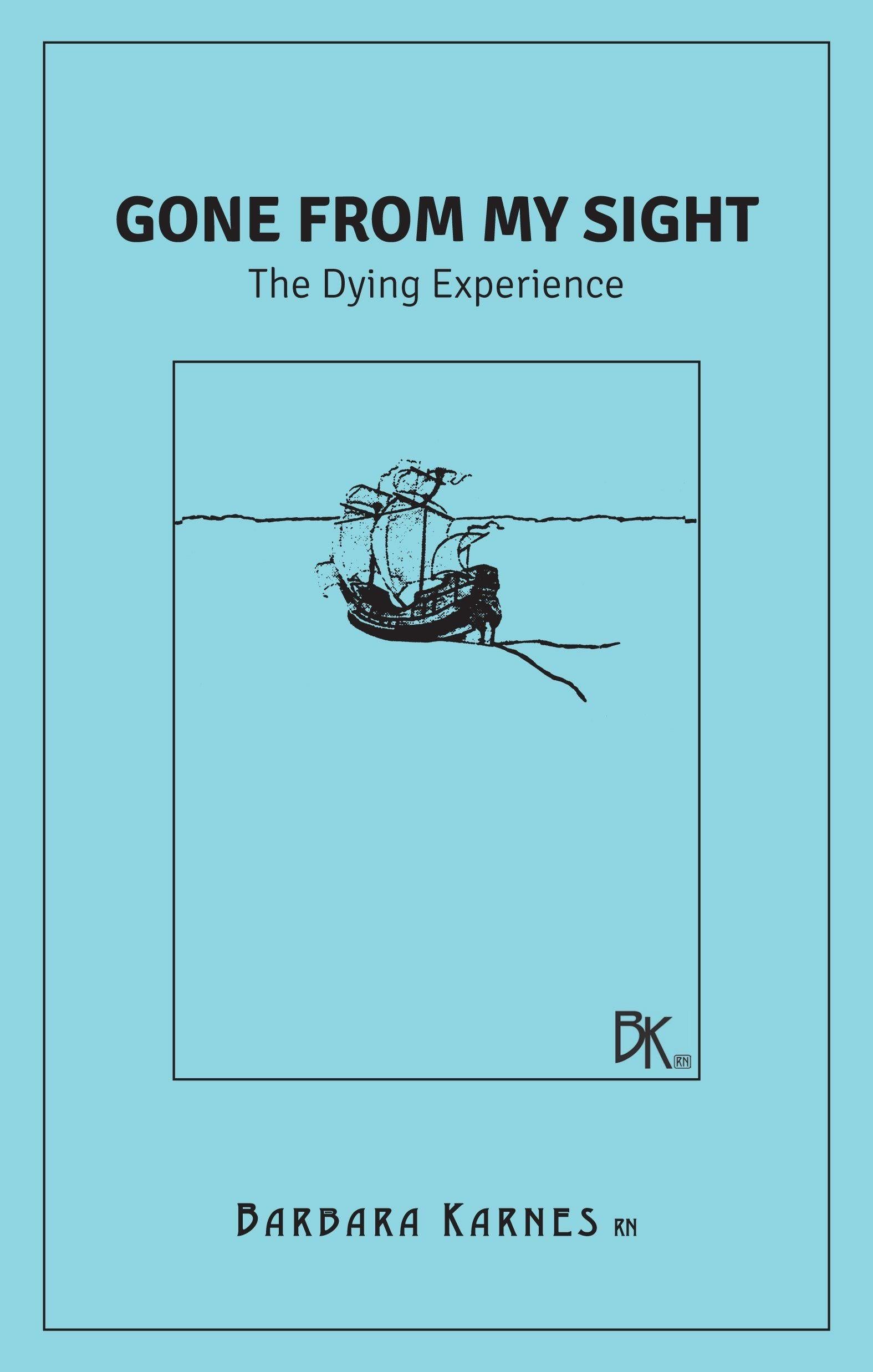
For those supporting someone at the end of life, having a trusted guide can ease fear and uncertainty. Gone From My Sight and The Eleventh Hour remain steady companions for families. They are part of my essential bundle the End of Life Guideline Series.
2 comments
Sharon Garcia
Thank you, Barbara for this blog. It spoke to me regarding my mother’s death.
———
BK Books replied:
Hi Sharon, you are welcome. Blessings to you. Barbara
Thank you, Barbara for this blog. It spoke to me regarding my mother’s death.
———
BK Books replied:
Hi Sharon, you are welcome. Blessings to you. Barbara
Cindy Spence
I like the idea of being an “invisible conductor” but feel it’s important to make the point that for many families, the moment of death can feel too private to share. We can’t assume they will want us there. Part of the relationship we build can be asking about this as the time grows near.
———
BK Books replied:
Hi Cindy, I agree. Part of our responsibilities as end of life workers is to have a conversation with family members as eminent death approaches. What it will look like, what to do, do you want us there, and what we will do if we are there. It is the family’s choice but they have to know what they are choosing. Thank you for sharing. Blessings! Barbara
I like the idea of being an “invisible conductor” but feel it’s important to make the point that for many families, the moment of death can feel too private to share. We can’t assume they will want us there. Part of the relationship we build can be asking about this as the time grows near.
———
BK Books replied:
Hi Cindy, I agree. Part of our responsibilities as end of life workers is to have a conversation with family members as eminent death approaches. What it will look like, what to do, do you want us there, and what we will do if we are there. It is the family’s choice but they have to know what they are choosing. Thank you for sharing. Blessings! Barbara