


Dr. Jauhar,
As an end-of-life care advocate (and you don’t have to be in hospice to be one), here are my thoughts about your opinion piece.
I feel about hospice as if it were one of my children. I helped “raise” it. And yes, it is not today what I envisioned for my “child.” Regulations and profit have misdirected the original concept of care. The basic goal of end-of-life care—whether hospice or not—should be education, support for caregivers, and comfort management for the patient. Comfort can be emotional and spiritual as well as physical.
Hospice was never set up to come into the home and provide extensive, total care. Hospice is meant to guide and support the family or caregivers in providing that care. Hospice does not take the place of a caregiver. It advises, teaches, monitors, and provides essential medications and home care equipment. Included in these services is a home health aide to assist with bathing and bed changes.
End-of-life care is not like caring for someone who is going to get better. It is different, but most people—including many medical professionals—don’t know this. For example, IV hydration in the weeks before death is often not helpful. It can actually cause more discomfort than benefit. When a person has entered the dying process and they are not eating food or drinking enough fluids to stay hydrated, the calcium in their blood begins to rise because of dehydration.
When the calcium level becomes high enough, a person simply goes to sleep and doesn’t wake up. Left to its own devices, the body itself creates comfort through sleep—a sleep that allows us to leave this world more gently.
I send you blessings as you grieve your father.
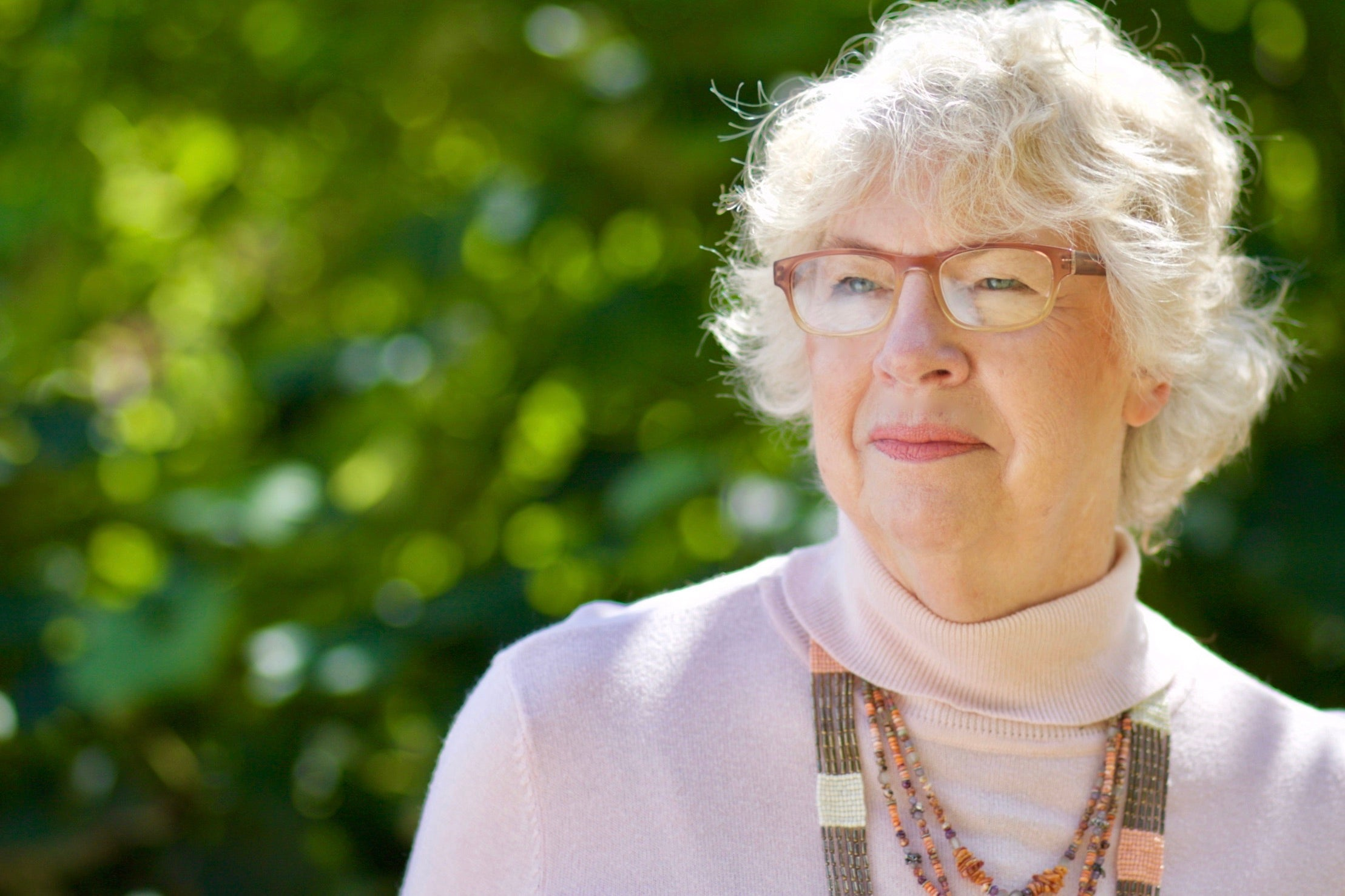
Barbara Karnes, RN
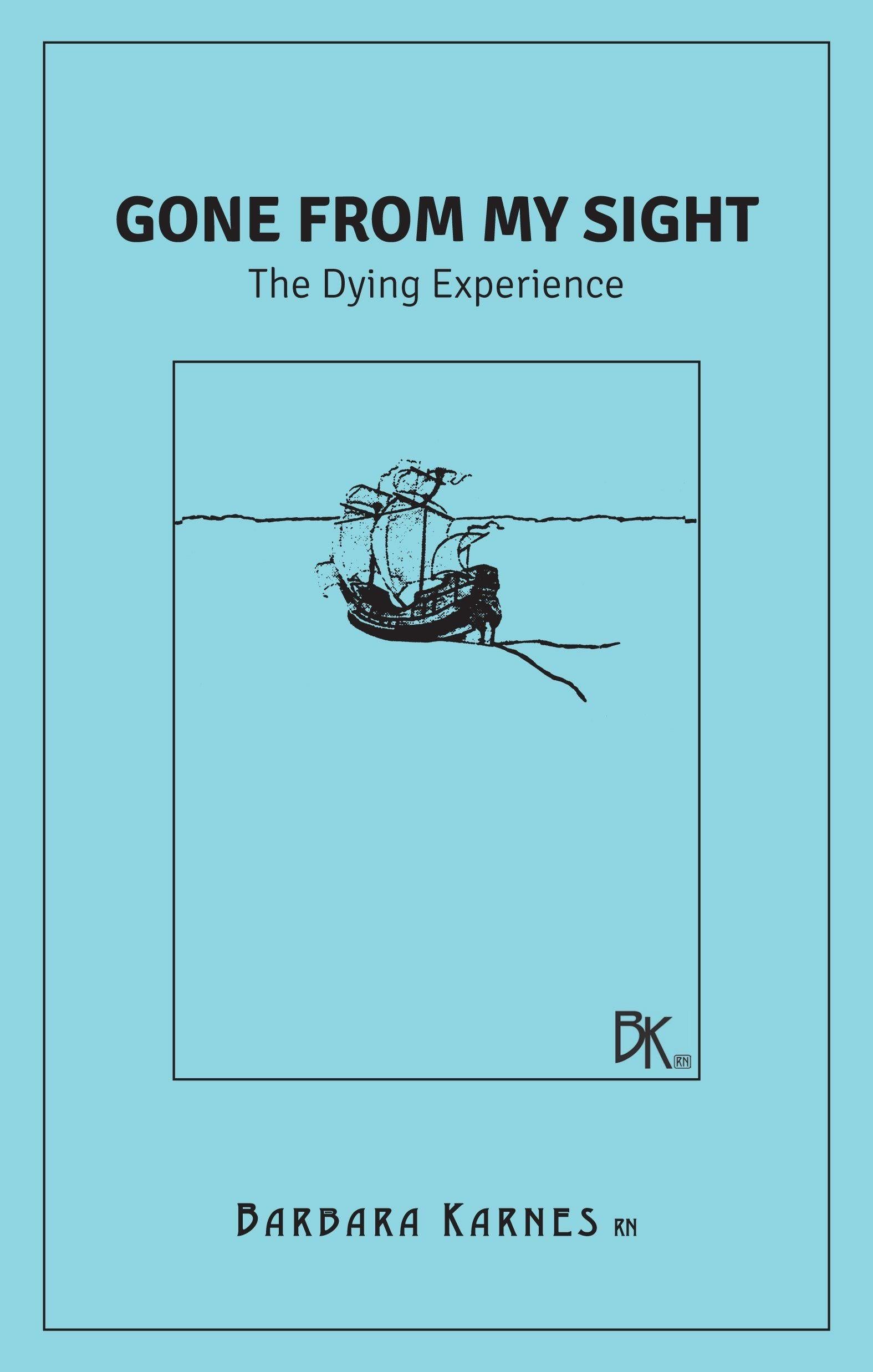
Author of Gone From My Sight: The Dying Experience

19 comments
Jennifer Lewis
I am just catching up on news after being on caregiving duty for my folks (both with ALZ but living in 2 different places). I cannot say I am appalled or shocked by the OpEd author’s display of naivety. He raises some very valid points about the rise of private equity entering the EOL space as it has one of (if not the) highest ROI in the medical sector as of 2026—and lackluster government oversight. I might add that “fraud, waste and abuse” is also rampant in hospice care which is why states (like CA where I reside) placed moratoriums on issuance of new hospice licenses a few years ago after uncovering large-scale fraud. If investigative journalists want a “scoop” to pursue— look no further than writing and exposing the fraud in hospice as well as the “why” of private equity scooping in and capitalizing on the sacred journey of dying. There are wonderful hospice organizations and hospice workers who show up everyday to serve, but there is room for vast improvement as well.
As you/many commenters have already said, the OpEd piece also reveals the fundamental lack of understanding of the EOL process, what role hospice plays, and much needed conversation/education “on dying” there needs to be in medical schools, hospital organizations and our culture at large. There are many folks trying to push this movement forward -esteemed folks like yourself, death doulas all over the US, hospice workers/volunteers, and other professionals. Keep it up!
Jennifer (Oakland, CA)
——-
BK Books replied:
Jennifer, well said. Thank you and blessings! Barbara
I am just catching up on news after being on caregiving duty for my folks (both with ALZ but living in 2 different places). I cannot say I am appalled or shocked by the OpEd author’s display of naivety. He raises some very valid points about the rise of private equity entering the EOL space as it has one of (if not the) highest ROI in the medical sector as of 2026—and lackluster government oversight. I might add that “fraud, waste and abuse” is also rampant in hospice care which is why states (like CA where I reside) placed moratoriums on issuance of new hospice licenses a few years ago after uncovering large-scale fraud. If investigative journalists want a “scoop” to pursue— look no further than writing and exposing the fraud in hospice as well as the “why” of private equity scooping in and capitalizing on the sacred journey of dying. There are wonderful hospice organizations and hospice workers who show up everyday to serve, but there is room for vast improvement as well.
As you/many commenters have already said, the OpEd piece also reveals the fundamental lack of understanding of the EOL process, what role hospice plays, and much needed conversation/education “on dying” there needs to be in medical schools, hospital organizations and our culture at large. There are many folks trying to push this movement forward -esteemed folks like yourself, death doulas all over the US, hospice workers/volunteers, and other professionals. Keep it up!
Jennifer (Oakland, CA)
——-
BK Books replied:
Jennifer, well said. Thank you and blessings! Barbara
John Boyd
Hospice is like the giant peach in the Roald Dahl book, James And The Giant Peach. In our relation to hospice we want to be more like James in our advocacy for hospice patients, their families, those who serve them through hospice and the benefit itself and less like James’ maiden aunts who were out to exploit the peach for their own selfish gain. See the movie based on the book. Everyone involved in hospice should know the origins of hospice in this country beginning with Reverend Hugh Westbrook and Nurse Cauliflower, RN, their first hospice patient and that patient’s hospice plan of care with patient involvement and the fact that our modern Medicare Hospice Benefit Conditions of Participation – what is included in the hospice benefit – go back to those conversations with that first hospice patient and not a sterile clinic or board room and that those hospice services were added to the Medicare Spending Bill because a Methodist minister and a registered nurse who met while teaching classes at a community college wanted a better way to serve people in their community at end of life, devised a plan and approached Congress and asked for hospice services to be included in Medicare.
———
BK Books replied:
John, you’ve shared stories I am not familiar with. Interesting and thought provoking.
Blessings! Barbara
Hospice is like the giant peach in the Roald Dahl book, James And The Giant Peach. In our relation to hospice we want to be more like James in our advocacy for hospice patients, their families, those who serve them through hospice and the benefit itself and less like James’ maiden aunts who were out to exploit the peach for their own selfish gain. See the movie based on the book. Everyone involved in hospice should know the origins of hospice in this country beginning with Reverend Hugh Westbrook and Nurse Cauliflower, RN, their first hospice patient and that patient’s hospice plan of care with patient involvement and the fact that our modern Medicare Hospice Benefit Conditions of Participation – what is included in the hospice benefit – go back to those conversations with that first hospice patient and not a sterile clinic or board room and that those hospice services were added to the Medicare Spending Bill because a Methodist minister and a registered nurse who met while teaching classes at a community college wanted a better way to serve people in their community at end of life, devised a plan and approached Congress and asked for hospice services to be included in Medicare.
———
BK Books replied:
John, you’ve shared stories I am not familiar with. Interesting and thought provoking.
Blessings! Barbara
Joan
Hello Barbara,
Thanks so much for all the great information you so generously provide. I am a social work grad student focusing on gerontology and was introduced to your wonderful materials by one of my professors who taught a course on issues at end of life. Your sharing such gems as knowing when and why to avoid intravenous fluids at end of life is incredibly helpful. However I would like to chime in here briefly with some thoughts and concerns that the doctor shared in his article which I feel were valid and which I did not see addressed in your response (not that I’m expecting you to provide all answers for all hospice and family situations). I believe you mentioned correctly what hospice is not however in stressing education being a critical part of it, for example, learning to administer medications, that is something that I would also find very daunting as the doctor had mentioned collectively his family did as well.Quite possibly because his other family members who are not doctors would be called upon to do that. And what if something were to go wrong? And what about those with no close family or friends to step in and participate in this type of education. Also his issue with not being able to get even basic home health aide assistance rings quite true due to the dearth of home health aides in these times. Many aides come from immigrant populations, which currently are being decimated in the U.S. by deportations or threats thereof. In any case, I appreciate your giving me the space to share these thoughts and thank you again for all you do to increase everyone’s understanding of how to best cope with the inevitable end of life.
———
BK Books replied:
Thank you, Joan for sharing your thoughts with me about the NY Times article. Blessings! Barbara
Hello Barbara,
Thanks so much for all the great information you so generously provide. I am a social work grad student focusing on gerontology and was introduced to your wonderful materials by one of my professors who taught a course on issues at end of life. Your sharing such gems as knowing when and why to avoid intravenous fluids at end of life is incredibly helpful. However I would like to chime in here briefly with some thoughts and concerns that the doctor shared in his article which I feel were valid and which I did not see addressed in your response (not that I’m expecting you to provide all answers for all hospice and family situations). I believe you mentioned correctly what hospice is not however in stressing education being a critical part of it, for example, learning to administer medications, that is something that I would also find very daunting as the doctor had mentioned collectively his family did as well.Quite possibly because his other family members who are not doctors would be called upon to do that. And what if something were to go wrong? And what about those with no close family or friends to step in and participate in this type of education. Also his issue with not being able to get even basic home health aide assistance rings quite true due to the dearth of home health aides in these times. Many aides come from immigrant populations, which currently are being decimated in the U.S. by deportations or threats thereof. In any case, I appreciate your giving me the space to share these thoughts and thank you again for all you do to increase everyone’s understanding of how to best cope with the inevitable end of life.
———
BK Books replied:
Thank you, Joan for sharing your thoughts with me about the NY Times article. Blessings! Barbara
Elizabeth Pruett
Thank you for your thoughtful response. As you well know, this is the constant battle we fight with the medical community. Many times the medical community is the biggest barrier to comforting end of life care!
———
BK Books replied:
Hi Elizabeth, A comprehensive semester on end of life dynamics and care would be helpful if it was included as standard education for the medical, nursing, social work studies. Unfortunately is is often an elective. Blessing! Barbara
Thank you for your thoughtful response. As you well know, this is the constant battle we fight with the medical community. Many times the medical community is the biggest barrier to comforting end of life care!
———
BK Books replied:
Hi Elizabeth, A comprehensive semester on end of life dynamics and care would be helpful if it was included as standard education for the medical, nursing, social work studies. Unfortunately is is often an elective. Blessing! Barbara
Jessie Hammersmith
Thank you for this thoughtful response to a potentially unhelpful article. Though I didn’t see or hear about it till I received your email, I can imagine the discrepancy between the author’s Assumptions and the healthcare Reality (which is most often the heartbreaker for both sides of the bedside).
That said, I’ve made it my mission to help folks better understand healthcare jargon like “hospice”, “palliative”, “assisted living”, “skilled need”, and others that interfere with the care journey along the way. Most people (providers and care recipients) tend NOT to understand the difference between billable and non-billable services, leaving the Frontline Carers filling in the gaps and stretching themselves thin. The service Medicare neglects to cover is CARE. Human Care. The acts of service for the body of another, historically the role of the family, that in modern America is being outsourced to the lowest bidder. The book “Being Mortal” by Atul Gawande really simplified for me (a nurse and care advocate) and helped me realize the people and organizations across the country who are reimagining care for the aging and disabling.
No solution will be perfect, and most come with a cost that exceeds the means of most American families, but I find hope in those guiding lights who know this CAN and SHOULD be different. Rather than a laundry list of complaints, Gawande makes beautiful comparisons between people, places, and cultures where things are different (and generally seem better than most options available today).
Thank you, endlessly, for making an effort to fill in the dark areas with a shimmer of light and hope. You make a difference for me, and many of my colleagues who appreciate your work. Take good care!
Jessie
———
BK Books replied:
Hi Jessie, Atul’s book _Being Mortal _is indeed a good source of information on addressing death in our current culture. Thank you for reminding me of it. 90% of end of life care is in education. We Americans tend to ignore that everyone dies until someone closeto us is indeed dying. It would be helpful in living through this life challenge if we had educated ourselves in its dynamics before we needed it. Blessings! Barbara
Thank you for this thoughtful response to a potentially unhelpful article. Though I didn’t see or hear about it till I received your email, I can imagine the discrepancy between the author’s Assumptions and the healthcare Reality (which is most often the heartbreaker for both sides of the bedside).
That said, I’ve made it my mission to help folks better understand healthcare jargon like “hospice”, “palliative”, “assisted living”, “skilled need”, and others that interfere with the care journey along the way. Most people (providers and care recipients) tend NOT to understand the difference between billable and non-billable services, leaving the Frontline Carers filling in the gaps and stretching themselves thin. The service Medicare neglects to cover is CARE. Human Care. The acts of service for the body of another, historically the role of the family, that in modern America is being outsourced to the lowest bidder. The book “Being Mortal” by Atul Gawande really simplified for me (a nurse and care advocate) and helped me realize the people and organizations across the country who are reimagining care for the aging and disabling.
No solution will be perfect, and most come with a cost that exceeds the means of most American families, but I find hope in those guiding lights who know this CAN and SHOULD be different. Rather than a laundry list of complaints, Gawande makes beautiful comparisons between people, places, and cultures where things are different (and generally seem better than most options available today).
Thank you, endlessly, for making an effort to fill in the dark areas with a shimmer of light and hope. You make a difference for me, and many of my colleagues who appreciate your work. Take good care!
Jessie
———
BK Books replied:
Hi Jessie, Atul’s book _Being Mortal _is indeed a good source of information on addressing death in our current culture. Thank you for reminding me of it. 90% of end of life care is in education. We Americans tend to ignore that everyone dies until someone closeto us is indeed dying. It would be helpful in living through this life challenge if we had educated ourselves in its dynamics before we needed it. Blessings! Barbara
Merilynne Rush
Thank you for taking the time to respond to this very mixed-up piece. It was distressing! You did a great job raising hospice and continue to be a leader in the field of EOL care, helping us to educate everyone and clear up misunderstandings.
Warmly,
Merilynne Rush
———
BK Books replied:
Hi Merilynne, thank you for your comments. EOL doulas and the role they are now playing in End of Life is becoming more and more important as hospice services keep changing. Blessings to you. Barbara
Thank you for taking the time to respond to this very mixed-up piece. It was distressing! You did a great job raising hospice and continue to be a leader in the field of EOL care, helping us to educate everyone and clear up misunderstandings.
Warmly,
Merilynne Rush
———
BK Books replied:
Hi Merilynne, thank you for your comments. EOL doulas and the role they are now playing in End of Life is becoming more and more important as hospice services keep changing. Blessings to you. Barbara
Shylah Karvo
Thank you for this, Barbara. I read his piece. Some of his points about private equity-owned hospices and profits are not far off. However, his understanding of hospice was not entirely accurate, even though he is a physician. It was a stark reminder that our medical training surrounding end-of-life and palliative care is sorely lacking. As a hospice social worker, I was sad he didn’t mention that Cicely Saunders was not just a nurse and physician, but also a social worker. My question to him (and his hospice) is, where was the social worker (and chaplain) in this process as a support to his family? As you know, Cicely Saunders wanted to provide holistic care, and it sounds like the hospice they utilized did not fully provide the breadth of care available, given there was no mention of a social worker, chaplain, and the aide seemed to be underutilized. I will continue to advocate for good hospice care and people getting a quality end of life. Thank you for all you do and have done for our world.
———
BK Books replied:
Hi Shylah, I know!!! End of life care is not just about the physical. It is about the emotional and spiritual aspects of care. It is multidisciplinary care—Home Health aids social workers, chaplains, and let’s include volunteer supportive care. Thank you for sharing and blessings to you in the good work you are doing. Barbara
Thank you for this, Barbara. I read his piece. Some of his points about private equity-owned hospices and profits are not far off. However, his understanding of hospice was not entirely accurate, even though he is a physician. It was a stark reminder that our medical training surrounding end-of-life and palliative care is sorely lacking. As a hospice social worker, I was sad he didn’t mention that Cicely Saunders was not just a nurse and physician, but also a social worker. My question to him (and his hospice) is, where was the social worker (and chaplain) in this process as a support to his family? As you know, Cicely Saunders wanted to provide holistic care, and it sounds like the hospice they utilized did not fully provide the breadth of care available, given there was no mention of a social worker, chaplain, and the aide seemed to be underutilized. I will continue to advocate for good hospice care and people getting a quality end of life. Thank you for all you do and have done for our world.
———
BK Books replied:
Hi Shylah, I know!!! End of life care is not just about the physical. It is about the emotional and spiritual aspects of care. It is multidisciplinary care—Home Health aids social workers, chaplains, and let’s include volunteer supportive care. Thank you for sharing and blessings to you in the good work you are doing. Barbara
Mary Ellen Dorsey
I did not read the original opinion you reference but having just lost my husband in November 2025, I’d like to say that we had the privilege of experiencing the care provided by Craven County NC Hospice. We knew what their role was and what was expected of me and our family. It was our pleasure to give him the loving care in his final days that he gave us over his lifetime. Though we only had 3 days with him at home, I felt prepared for his end of life journey having read your pamphlets. I have extra copies for friends and family when the need arises. The care at the end provided by the hospice nurse (bathing and dressing his body) and the dignity shown to him and us was greatly appreciated. Thank you.
———
BK Books replied:
Thank you Mary Ellen for sharing your positive hospice experience with us. We need the reassurance that appropriate, competent and compassionate end of life is available. It is there we often just have to search for it. Blessings! Barbara
I did not read the original opinion you reference but having just lost my husband in November 2025, I’d like to say that we had the privilege of experiencing the care provided by Craven County NC Hospice. We knew what their role was and what was expected of me and our family. It was our pleasure to give him the loving care in his final days that he gave us over his lifetime. Though we only had 3 days with him at home, I felt prepared for his end of life journey having read your pamphlets. I have extra copies for friends and family when the need arises. The care at the end provided by the hospice nurse (bathing and dressing his body) and the dignity shown to him and us was greatly appreciated. Thank you.
———
BK Books replied:
Thank you Mary Ellen for sharing your positive hospice experience with us. We need the reassurance that appropriate, competent and compassionate end of life is available. It is there we often just have to search for it. Blessings! Barbara
Nancy
Thank you, Barbara, for your response and for sharing it with your community. Comments like those expressed by Sandeep Jauhar highlight how much misinformation still exists—not only about hospice, but about our broader culture’s understanding of death and caring for the dying.
As an end-of-life doula, I work to educate individuals, families, and the community about what the dying process actually looks like. At times it can feel as though I’m speaking but no one is hearing—like an effort in futility. But then I hear a family member repeat something I’ve shared to another relative or friend, and I’m reminded that the words do matter.
Education spreads in quiet ways. One conversation becomes a ripple through a family, a community, and eventually a culture.
We all need to keep helping people understand the dying process, demystifying death, and clarifying what hospice and end-of-life care truly provide. Choosing comfort and support at the end of life is not “giving up.” Our bodies know what to do—we just need to trust them.
———
BK Books replied:
Nancy, so beautifully said. Thank you for sharing. Blessings to you in the work you are doing. Barbara
Thank you, Barbara, for your response and for sharing it with your community. Comments like those expressed by Sandeep Jauhar highlight how much misinformation still exists—not only about hospice, but about our broader culture’s understanding of death and caring for the dying.
As an end-of-life doula, I work to educate individuals, families, and the community about what the dying process actually looks like. At times it can feel as though I’m speaking but no one is hearing—like an effort in futility. But then I hear a family member repeat something I’ve shared to another relative or friend, and I’m reminded that the words do matter.
Education spreads in quiet ways. One conversation becomes a ripple through a family, a community, and eventually a culture.
We all need to keep helping people understand the dying process, demystifying death, and clarifying what hospice and end-of-life care truly provide. Choosing comfort and support at the end of life is not “giving up.” Our bodies know what to do—we just need to trust them.
———
BK Books replied:
Nancy, so beautifully said. Thank you for sharing. Blessings to you in the work you are doing. Barbara
Raul Garcia Jr
I love your blog, publications and extensive, caring professional knowledge of the dying process. The way you see and handle the dying process is exactly as it should be. I’m grateful for a professional like yourself to better educate and prepare us for lifes final moments, either for someone we know or ourselves. Thank you for the dedication and the work you do.
———
BK Books replied:
Thank you Raul for your very kind words. Blessings to you! Barbara
I love your blog, publications and extensive, caring professional knowledge of the dying process. The way you see and handle the dying process is exactly as it should be. I’m grateful for a professional like yourself to better educate and prepare us for lifes final moments, either for someone we know or ourselves. Thank you for the dedication and the work you do.
———
BK Books replied:
Thank you Raul for your very kind words. Blessings to you! Barbara
Rebecca Clark
I also read that NYT opinion piece and felt sad and somewhat distressed that a medical professional would lament all that their family was responsible for as their father was dying. Though it seems to me that the lack of Medicare funding is the culprit in this much more so than hospice care itself.
As someone who had the opportunity to spend the final weeks and days with both of our parents and our older sister under hospice care (our parents at their assisted living home and our sister in a hospice facility as she had requested to be transported ‘home’ to Iowa from where she was living in Texas), I can wholeheartedly attest to the tremendous support hospice provided.
For me, this started with the book “Gone From My Sight” which I received a couple years earlier while spending the final days with my best friend as her mother was passing. The information in that book was invaluable in understanding, and accepting, what the patient was experiencing~ and that was the process of dying. It helped alleviate our worries and fears, along with the comforting knowledge and support of the hospice team.
Every person who interacted with our loved ones, and those of us who were there with them, were cared for by that team, right down to the aide who came in to bathe them. The aide actually became the person my mother reached out to the most as there were days in the beginning that my mother, not feeling up to a full shower, just wanted to talk and share her life stories with an interested and engaged listener. I had learned from the ‘little blue book’ that going over their life experiences was often a part of the process, so I knew how much of a gift the simple act of being present with my mother in those moments was to her.
I’m fully aware that my parents being in an assisted living facility provided major backup care for them. And though we could always count on them when needed, they were limited in how much extra time they had to provide end of life care simply because that is not their main responsibility for their residents.
So my siblings and I still provided the majority of their in-home care. I’m a retired medical assistant living in PA and traveled to Iowa throughout their years of declining health. One of my siblings lived in the same town and another an hour away, so between the three of us, we were able to have someone there with them at all times.
It is never easy to lose a loved one, yet my parents had lived long, full lives. My sister had been through a year of “living” in hospitals and rehab facilities while struggling through a challenging rare cancer. All three of them were ready to leave our world for their next journey.
Being there with them through all of it~ those precious days sharing memories of our lives together and the tougher days as they no longer were able to actively be a part of our conversations were part of that journey. Though I do believe they heard much of it and rejoiced in just having their family (kids and grands) there with them since that had always brought them so much joy throughout their lives.
It was truly a blessing I will never forget. We observed and experienced the cycle of life take place, caring for them as they had so lovingly cared for us.
Hospice care made that happen. My siblings and I could have still been with our loved ones through all of it. But it would not have been the same experience without the knowledge and understanding of what was taking place, and how we could best facilitate it, which totally came from the support hospice care provided to all of us. Our hearts thank everyone involved!
P.S. The namesake poem on the back of the little blue book was my mantra that I reread many, many times. The analogy was a perfect and extremely comforting way to envision their journey from this life to their next. I’ve shared that book, along with “The Eleventh Hour” with anyone who is going through the end of life with a loved one. I also purchased the book for pets as I was losing both my cat and dog.
———
BK Books replied:
Rebecca, thank you so much for sharing your family experience with me. How you lived through your experience with dying is what I wish everyone would be able to see and know. Dying can be a time of closeness. Blessings to you and your family. Barbara
I also read that NYT opinion piece and felt sad and somewhat distressed that a medical professional would lament all that their family was responsible for as their father was dying. Though it seems to me that the lack of Medicare funding is the culprit in this much more so than hospice care itself.
As someone who had the opportunity to spend the final weeks and days with both of our parents and our older sister under hospice care (our parents at their assisted living home and our sister in a hospice facility as she had requested to be transported ‘home’ to Iowa from where she was living in Texas), I can wholeheartedly attest to the tremendous support hospice provided.
For me, this started with the book “Gone From My Sight” which I received a couple years earlier while spending the final days with my best friend as her mother was passing. The information in that book was invaluable in understanding, and accepting, what the patient was experiencing~ and that was the process of dying. It helped alleviate our worries and fears, along with the comforting knowledge and support of the hospice team.
Every person who interacted with our loved ones, and those of us who were there with them, were cared for by that team, right down to the aide who came in to bathe them. The aide actually became the person my mother reached out to the most as there were days in the beginning that my mother, not feeling up to a full shower, just wanted to talk and share her life stories with an interested and engaged listener. I had learned from the ‘little blue book’ that going over their life experiences was often a part of the process, so I knew how much of a gift the simple act of being present with my mother in those moments was to her.
I’m fully aware that my parents being in an assisted living facility provided major backup care for them. And though we could always count on them when needed, they were limited in how much extra time they had to provide end of life care simply because that is not their main responsibility for their residents.
So my siblings and I still provided the majority of their in-home care. I’m a retired medical assistant living in PA and traveled to Iowa throughout their years of declining health. One of my siblings lived in the same town and another an hour away, so between the three of us, we were able to have someone there with them at all times.
It is never easy to lose a loved one, yet my parents had lived long, full lives. My sister had been through a year of “living” in hospitals and rehab facilities while struggling through a challenging rare cancer. All three of them were ready to leave our world for their next journey.
Being there with them through all of it~ those precious days sharing memories of our lives together and the tougher days as they no longer were able to actively be a part of our conversations were part of that journey. Though I do believe they heard much of it and rejoiced in just having their family (kids and grands) there with them since that had always brought them so much joy throughout their lives.
It was truly a blessing I will never forget. We observed and experienced the cycle of life take place, caring for them as they had so lovingly cared for us.
Hospice care made that happen. My siblings and I could have still been with our loved ones through all of it. But it would not have been the same experience without the knowledge and understanding of what was taking place, and how we could best facilitate it, which totally came from the support hospice care provided to all of us. Our hearts thank everyone involved!
P.S. The namesake poem on the back of the little blue book was my mantra that I reread many, many times. The analogy was a perfect and extremely comforting way to envision their journey from this life to their next. I’ve shared that book, along with “The Eleventh Hour” with anyone who is going through the end of life with a loved one. I also purchased the book for pets as I was losing both my cat and dog.
———
BK Books replied:
Rebecca, thank you so much for sharing your family experience with me. How you lived through your experience with dying is what I wish everyone would be able to see and know. Dying can be a time of closeness. Blessings to you and your family. Barbara
Sharon D DeHart, PAC
Dear Barbara! Thank you for your advocacy of your “child.” I am a devout fan of Hospice and have worked closely with excellent teams over my 25+ yrs as a Primary Care PA. If Medicare would pay for PA’s to DO Hospice I would be there. But I give my own time to care for my Hospice pts, assisting pts and families, and encouraging people in what Hospice CAN provide in the comfort of their own home for the pt and the family. I have many of your books and just wanted to THANK YOU for the wonderful work you do! Blessings! Sharon D. DeHart
———
BK Books replied:
Sharon, we need more of you!! Thank you for sharing your thoughts and blessings to you in the good work you are doing. Barbara
Dear Barbara! Thank you for your advocacy of your “child.” I am a devout fan of Hospice and have worked closely with excellent teams over my 25+ yrs as a Primary Care PA. If Medicare would pay for PA’s to DO Hospice I would be there. But I give my own time to care for my Hospice pts, assisting pts and families, and encouraging people in what Hospice CAN provide in the comfort of their own home for the pt and the family. I have many of your books and just wanted to THANK YOU for the wonderful work you do! Blessings! Sharon D. DeHart
———
BK Books replied:
Sharon, we need more of you!! Thank you for sharing your thoughts and blessings to you in the good work you are doing. Barbara
Deirdre Jenkins
Yes, Barbara.
I celebrate your response. I too found that opinion piece to be sadly lacking in understanding. I hope you might get your reply published in NYTimes.
———
BK Books replied:
Hi Deirdre, we’re offering. Blessings! Barbara
Yes, Barbara.
I celebrate your response. I too found that opinion piece to be sadly lacking in understanding. I hope you might get your reply published in NYTimes.
———
BK Books replied:
Hi Deirdre, we’re offering. Blessings! Barbara
Melanie Klein
Thank you
———
BK Books replied:
Melanie, you are welcome. Blessings! Barbara
Thank you
———
BK Books replied:
Melanie, you are welcome. Blessings! Barbara
Keri
Bravo Barbara. The heart of those that work with the dying and their constellation do the best that they can in situations where often the medical system has failed to speak the truth of what is actually happening. The dying process can take a village and hospice may be part of that but the key is always supportive comfort, care and education along the way.
———
BK Books replied:
Thank you Keri, education is 90% of end of life care. When we understand it is not just physical, emotional and spiritual care for the person but for his/her caregivers and significant others we will be giving complete care. Blessings! Barbara
Bravo Barbara. The heart of those that work with the dying and their constellation do the best that they can in situations where often the medical system has failed to speak the truth of what is actually happening. The dying process can take a village and hospice may be part of that but the key is always supportive comfort, care and education along the way.
———
BK Books replied:
Thank you Keri, education is 90% of end of life care. When we understand it is not just physical, emotional and spiritual care for the person but for his/her caregivers and significant others we will be giving complete care. Blessings! Barbara
Kim Hayes
Barbara,
Beautifully articulated and straight to the point. Hopefully the author comprehends.
Makes me flash back to the book, Being Mortal by Atul Gwande. In one section, he wrote about his experience with a Palliative Care Nurse. He states (paraphrasing) what could a palliative care nurse teach him? He was a big shot surgeon from Boston. Then goes onto confess how little he actually knew or understood about the whole process and was eternally grateful for the education and their presence.
Cheers,
Kim
———
BK Books replied:
Hi Kim, you are the second person to mention Atul’s book Being Mortal. Great book! Wish it were required reading for all. Blessings! Barbara
Barbara,
Beautifully articulated and straight to the point. Hopefully the author comprehends.
Makes me flash back to the book, Being Mortal by Atul Gwande. In one section, he wrote about his experience with a Palliative Care Nurse. He states (paraphrasing) what could a palliative care nurse teach him? He was a big shot surgeon from Boston. Then goes onto confess how little he actually knew or understood about the whole process and was eternally grateful for the education and their presence.
Cheers,
Kim
———
BK Books replied:
Hi Kim, you are the second person to mention Atul’s book Being Mortal. Great book! Wish it were required reading for all. Blessings! Barbara
Julia
Hospice has twice now been my compass due north when I was lost. I would not have thrived without their advisement, comfort, expertise. I am so grateful to the Lord for the Hospice organization! The intake, chaplain, nurse, bereavement counselor all played their parts beautifully
———
BK Books replied:
Thank you Julia for sharing your positive experience with hospice. All to often we just hear the negatives. Blessings to you. Barbara
Hospice has twice now been my compass due north when I was lost. I would not have thrived without their advisement, comfort, expertise. I am so grateful to the Lord for the Hospice organization! The intake, chaplain, nurse, bereavement counselor all played their parts beautifully
———
BK Books replied:
Thank you Julia for sharing your positive experience with hospice. All to often we just hear the negatives. Blessings to you. Barbara
Jen
Thank you for your response to the NYT. I read the article earlier this week, and as a hospice RN, I was horrified that IV fluids would even be considered for this patient. So much education remains to be had. Thank you for your work, Barbara.
———
BK Books replied:
Blessings to you, Jan, in the good work you are doing. Barbara
Thank you for your response to the NYT. I read the article earlier this week, and as a hospice RN, I was horrified that IV fluids would even be considered for this patient. So much education remains to be had. Thank you for your work, Barbara.
———
BK Books replied:
Blessings to you, Jan, in the good work you are doing. Barbara
Terri Pease
Hello, I am the founder in moderator of an online community of 7000 Parkinson’s disease. Caregivers. May I share this entire response with them online?
This was a powerful and very valuable piece.
Thank you for your work.
———
BK Books replied:
Thank you for your kind words about Barbara’s article. We’re glad it resonated with you.
You are welcome to share the piece with your Parkinson’s caregiver community. We only ask that it be shared with attribution to Barbara Karnes, RN and include a link back to the original article on the BK Books website 4.
Thank you for helping extend that education to your community.
———
BK Books replied:
Hello Sunny,
Can you help us with a correction? When I replied to this comment, my reply had a link in it. The link did not populate correctly on the website but instead showed up with 4 at the end of the sentence. I have attached a screen shot of the comment. Can you remove the 4, it’s on the second to last line in this image?
Thank you,
Jacquelyn
Hello, I am the founder in moderator of an online community of 7000 Parkinson’s disease. Caregivers. May I share this entire response with them online?
This was a powerful and very valuable piece.
Thank you for your work.
———
BK Books replied:
Thank you for your kind words about Barbara’s article. We’re glad it resonated with you.
You are welcome to share the piece with your Parkinson’s caregiver community. We only ask that it be shared with attribution to Barbara Karnes, RN and include a link back to the original article on the BK Books website 4.
Thank you for helping extend that education to your community.
———
BK Books replied:
Hello Sunny,
Can you help us with a correction? When I replied to this comment, my reply had a link in it. The link did not populate correctly on the website but instead showed up with 4 at the end of the sentence. I have attached a screen shot of the comment. Can you remove the 4, it’s on the second to last line in this image?
Thank you,
Jacquelyn